

-
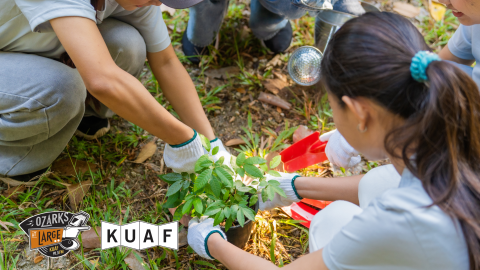 Canva StockThe Ozark Society is taking applications through Nov. 30 for youth grants of $500 to $2,500 that fund hands-on conservation projects for K-12 students across the region.
-
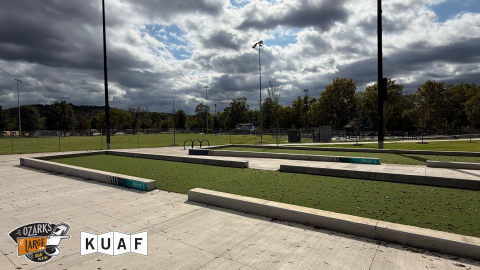 Matthew Moore/kuafFayetteville's second-oldest park reopened after three years of work. Park planning superintendent Ted Jack walks through its new bocce, volleyball and soccer spaces.


-

-
 A new art, nature and science playscape between Crystal Bridges and the Amazeum lets visitors splash, climb, spin and slide through a curated Ozark forest, free of charge.
-
 UofA biologist Jeff Lewis discusses his $2 million NIH grant to study how cells respond to stress, why he uses brewer’s yeast as a model and how students take part in the research.
-
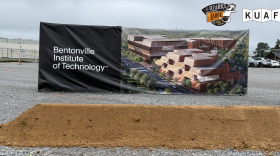 Leaders broke ground on the Bentonville Institute of Technology, a Walton-backed STEM university set to welcome its first class of about 300 students in 2029 at the former Walmart Home Office site.
-
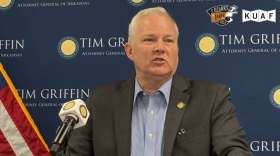 Arkansas will get at least $32 million from Monsanto to resolve claims that PCBs caused environmental contamination. Attorney General Tim Griffin says the funds will go toward water quality.
-
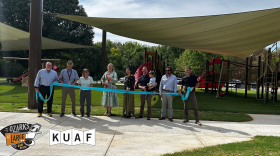 Fayetteville's Bryce Davis Park has reopened after about three years of improvements, including a 2,100-square-foot shade sail, accessibility upgrades at the Iams Dog Park and a lower wetland deck.
-
 Alan Mantooth, Distinguished Professor of electrical engineering and computer science, on the new AIRES institute.
-
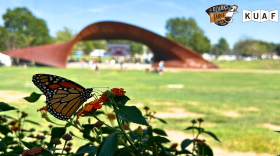 At the Monarch Flight Festival in downtown Springdale, the Shiloh Museum's Marty Powers explains why the butterflies' migration to Mexico keeps him giving away milkweed by the thousands.
-
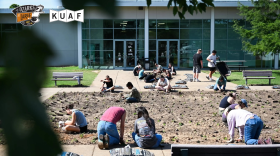 The Watershed Conservation Resource Center, with help from the Illinois River Watershed Partnership, is leading a free workforce development program to build a pipeline of conservation professionals.
-
 Megan Rosa-Caldwell, an assistant professor of exercise science, on how anorexia nervosa affects skeletal muscle.


